Product description
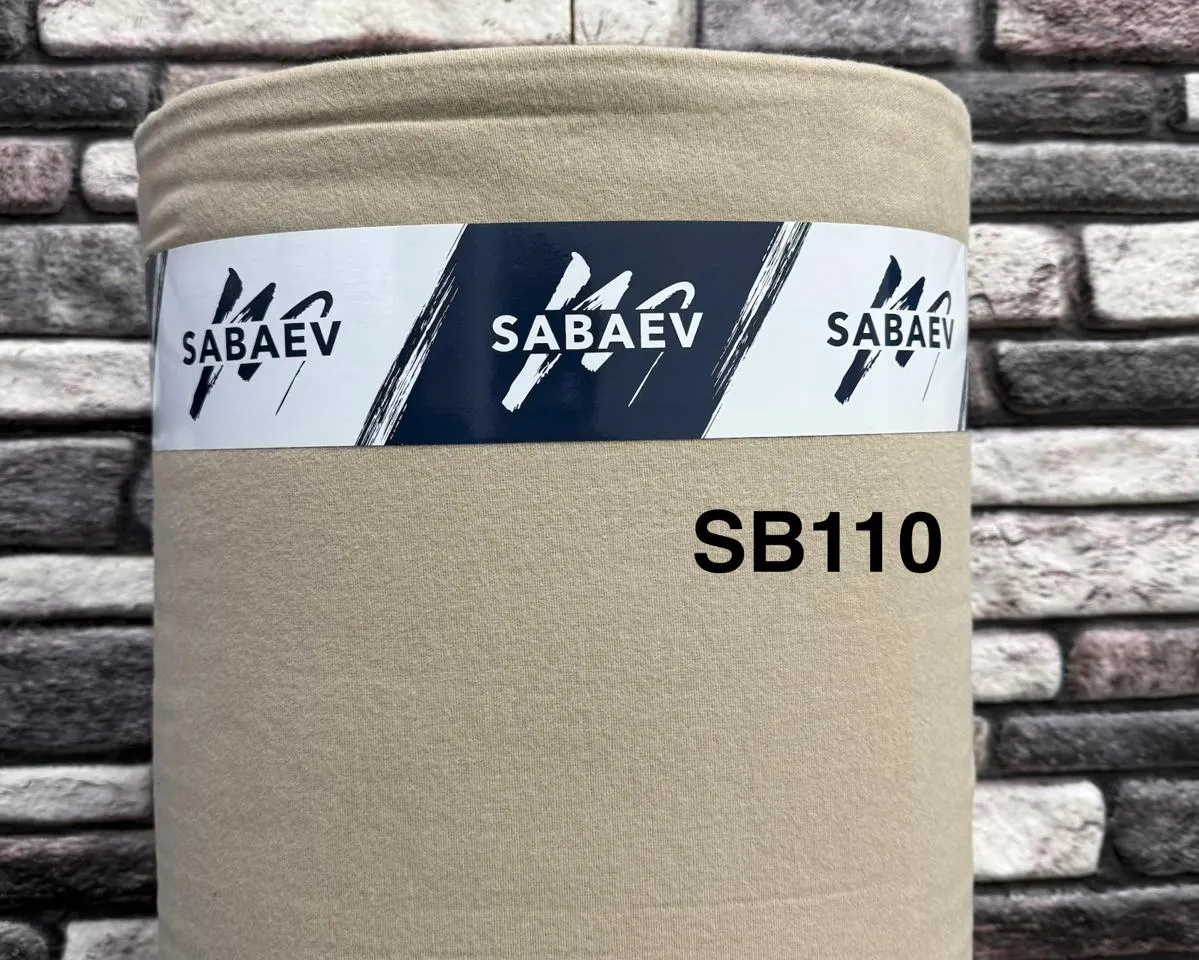
What Is Flannel Fabric? Its Characteristics and Role in Home Textiles. Flannel is a special type of woven fabric—typically produced from a blend of cotton, wool, or synthetic fibers—characterized by a soft touch and a lightly napped (brushed) surface. Although historically made from wool, modern flannel used in home textiles is predominantly manufactured from 100% cotton due to the superior comfort and breathability it offers. A mechanical brushing process applied after weaving lifts the surface fibers, creating the fabric's signature fuzzy, velvety, and substantial texture. This napped texture traps air pockets between the fibers, forming an excellent insulating layer. The reason flannel has become so indispensable in home textiles lies in its exceptional thermal performance. Compared to standard cotton fabrics, it retains body heat far more effectively, acting as a warm sanctuary on cold winter nights. Moreover, unlike wool, it is neither heavy nor itchy, ensuring maximum comfort for items that come into direct contact with the skin, such as duvet covers, sheets, and pillowcases. It provides warmth without causing sweating, thanks to its resistance to static electricity, high moisture-wicking capabilities, and breathability. For these reasons, it is a trusted choice for baby textiles and bedding products intended for individuals with sensitive skin. Aesthetically, flannel excels at creating a warm, rustic, and cozy "mountain lodge" atmosphere, particularly when featuring traditional plaid or gingham patterns. However, flannel fabrics—featuring solid colors, pastel tones, or minimalist patterns that align with modern home décor trends—also frequently find their place in living rooms as sofa throws and decorative cushions. Highly practical to care for, this fabric tends to become softer rather than stiffer with washing and retains its shape for years when laundered according to the proper instructions. With both its functional warmth and the sense of visual comfort it creates, flannel is one of the most valuable textiles for enhancing the quality of home life during the winter months.